Designer Interiors
Natural Stone, Timber and Texture: Building a Home That Feels Expensive Without Looking Showy
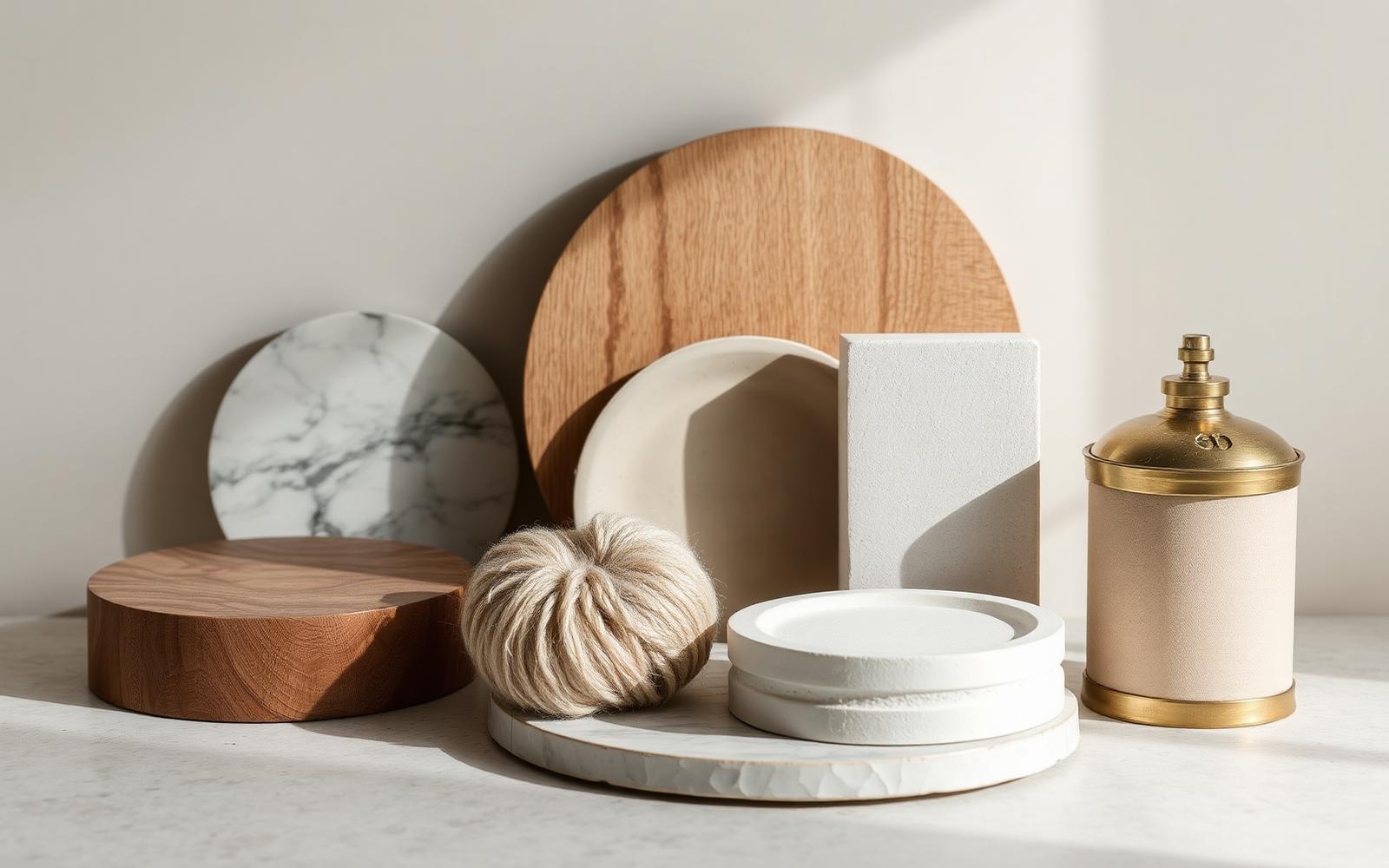
Expensive-feeling homes are usually material arguments: fewer materials, used more consistently, detailed properly where they meet.
26 July 20265 min read
Walk through a house that feels considered and count the materials. There are usually four or five, repeated everywhere, meeting each other in the same way every time. Houses that feel busy typically have twelve.
Choose few, repeat often
Pick one stone, one timber, one metal and one or two textiles, then use them across rooms. Continuity between spaces is what makes a home feel designed rather than decorated room by room.
Detail the junctions
- Align thresholds and let floor materials change at a door line, not mid-room.
- Keep reveals and shadow gaps consistent throughout.
- Match metal finishes across handles, taps, switches and lighting.
- Decide whether joinery meets the ceiling or stops deliberately short — then be consistent.
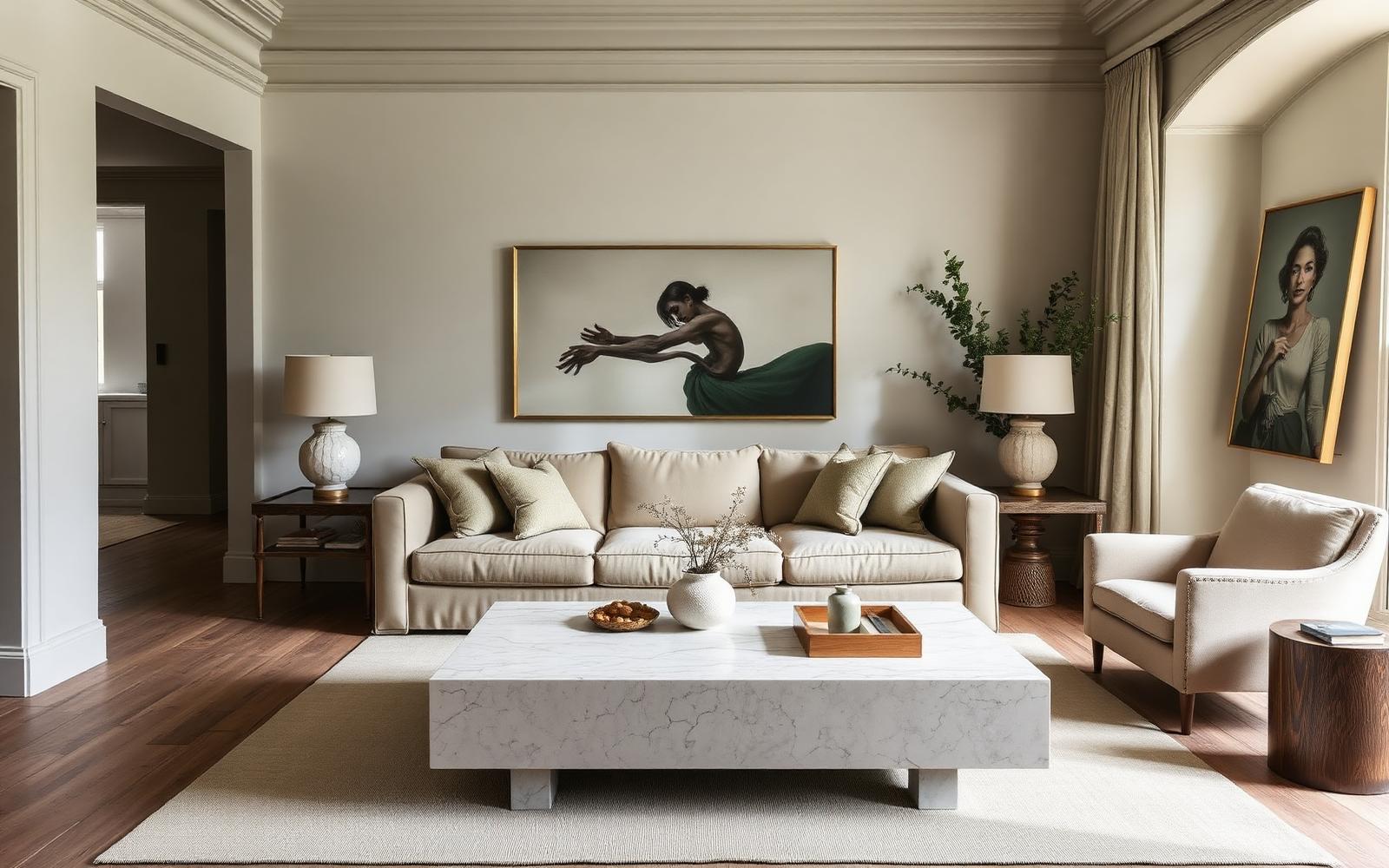
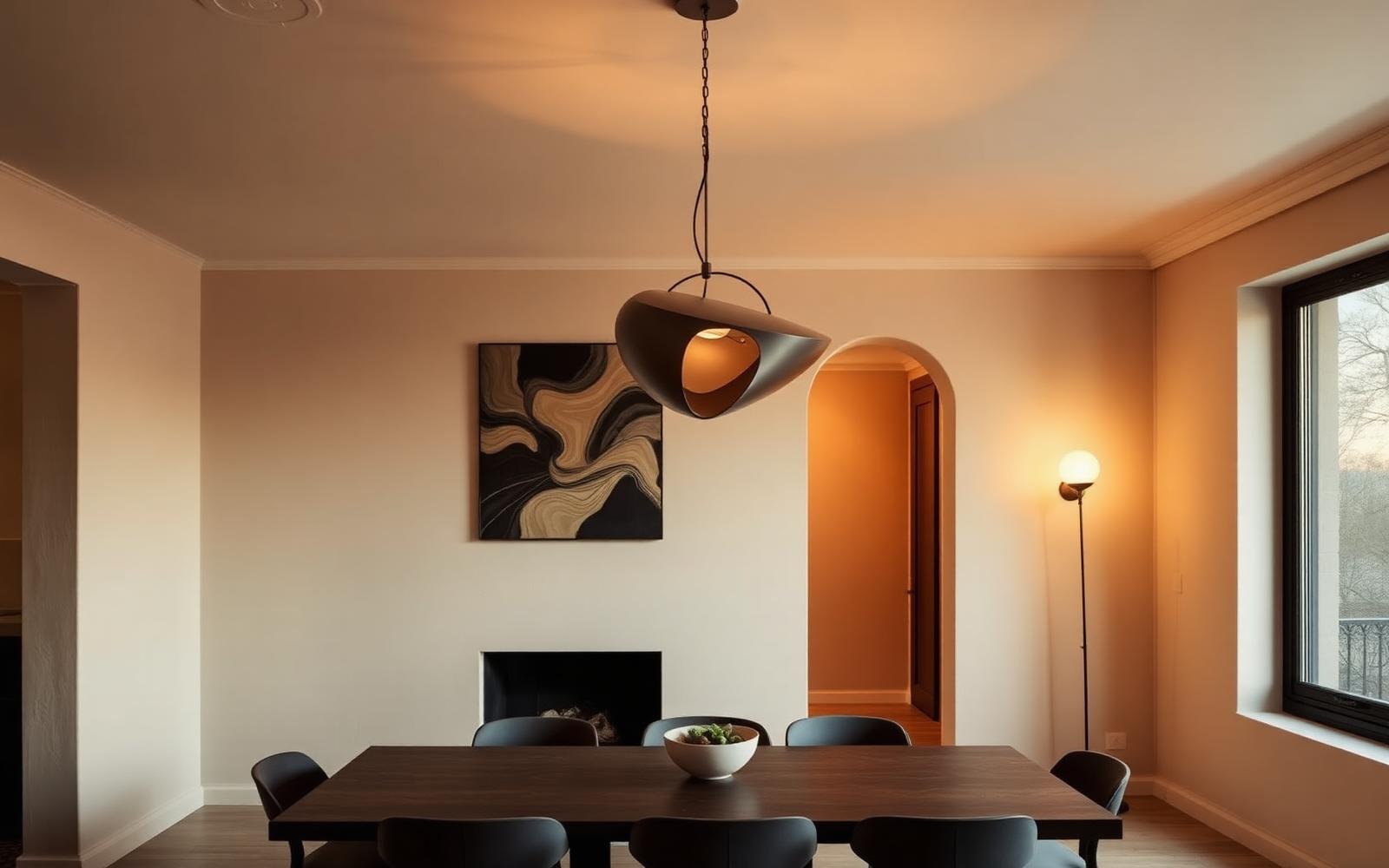
Restraint in materials is what allows one piece to become the focus.
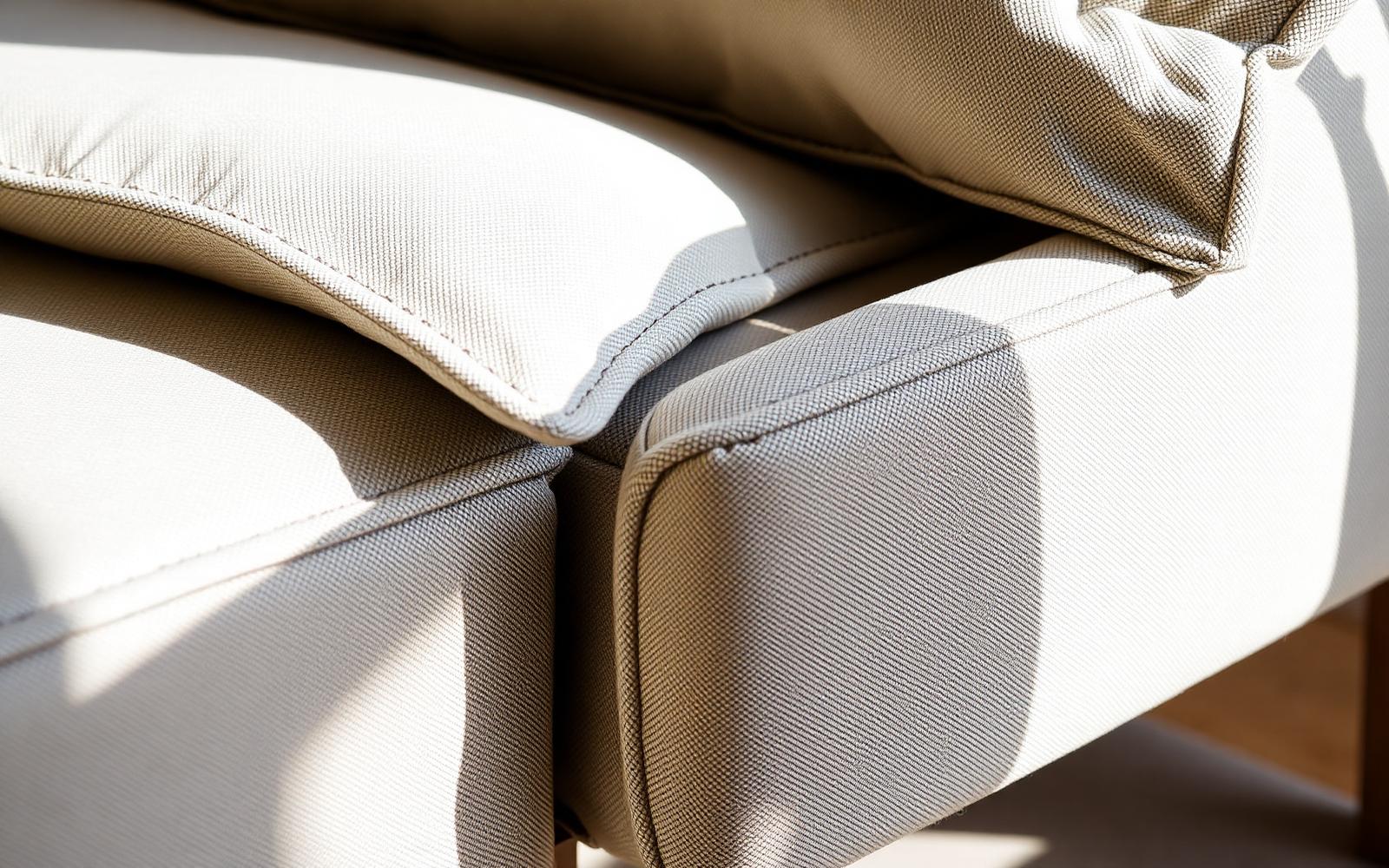
Texture, not colour, is what keeps a neutral home from feeling flat.
Maintenance is a design decision
Honed limestone, unlacquered brass and oiled oak all change over time. That is the appeal — but only if you want the patina. If you do not, choose a material that stays as delivered rather than fighting one that will not.
Continue
Designer Interiors
The full NEATLY view of this pillar — what to plan for, what the decisions cost you if you get them wrong, and the guides that go deeper.
More from the Journal
Get NEATLY's latest practical home finds & ideas
One considered email. Real finds we have checked, plus the guides behind them. No spam, no pressure, unsubscribe whenever you like.
NEATLY may earn a commission from qualifying purchases made through links on this page, at no extra cost to you. NEATLY does not sell or ship these products. Read our full affiliate disclosure.