
Luxury Home Wellness
Sauna, Steam or Infrared? Designing the Right Heat Experience at Home
Dry heat, wet heat and radiant heat feel different, are used differently and place very different demands on a building. Choose the experience first.
5 August 20265 min read
People rarely regret installing heat at home. They regret installing the wrong kind of heat in the wrong room — an infrared cabin where they wanted the drama of a traditional sauna, or a steam room in a space that was never built to handle the moisture.
Traditional sauna
Dry, hot and social. It wants a properly insulated, timber-lined room, a heater sized to the volume, and ventilation designed for the heater rather than for the room. It is the most demanding installation and, for most people, the most rewarding.
Steam
Gentler on the airways, harder on the building. Steam requires a fully sealed and tanked enclosure, a generator located somewhere serviceable, sloped ceilings so condensation runs rather than drips, and drainage. Retrofit is possible; casual retrofit is not.
Infrared
Radiant heat warms the body rather than the air, so the cabin runs cooler and the room around it needs far less from you. It is the pragmatic answer where ventilation, structure or budget rule out the other two — and the honest trade is that it does not feel like a sauna.
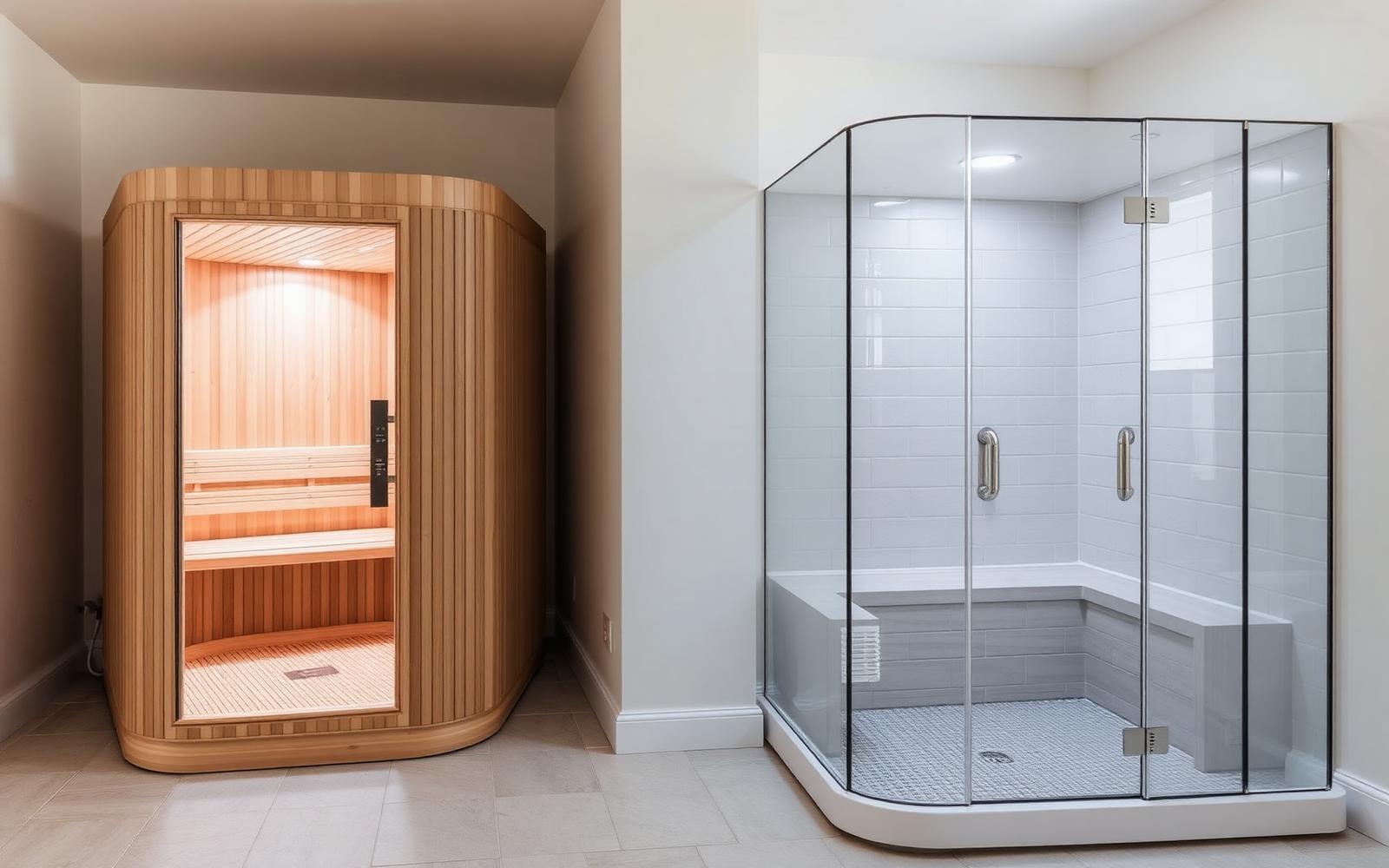
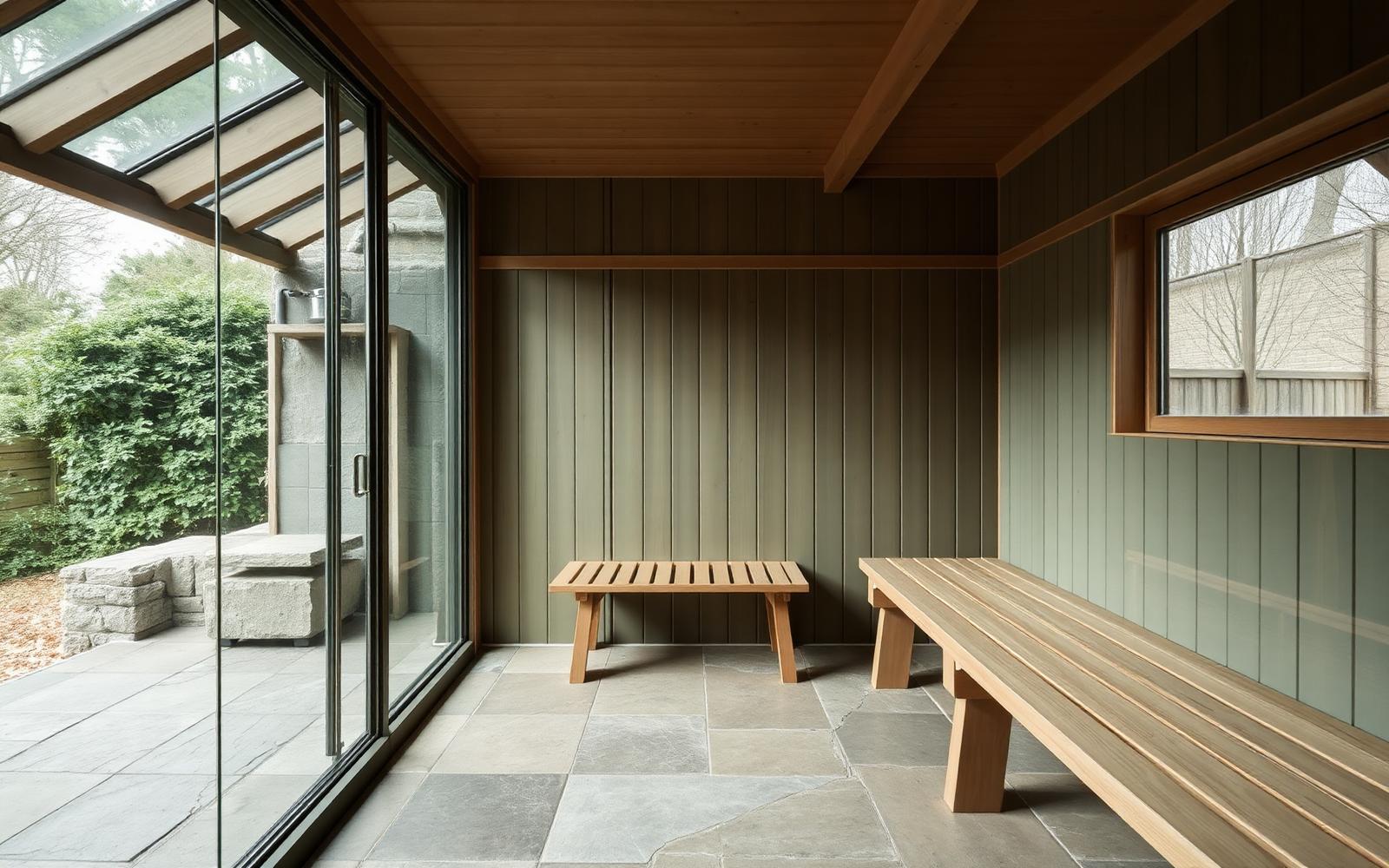
Left: an infrared cabin alongside a glazed steam enclosure. Right: where both belong in a wider wellness room.
Where each one tends to land
- Whole-house project or garden building — traditional sauna, because you can build the room around it.
- Existing wet room being reworked — steam, if the enclosure can genuinely be sealed.
- A spare room, converted garage or a first step — infrared, for the least building work.
The right answer is usually the one your building can support without a compromise you will notice every time you use it.
Whatever you choose, specify the ventilation and drainage as carefully as the cabin itself. That is the part nobody photographs and everybody feels.
Continue
Luxury Home Wellness
The full NEATLY view of this pillar — what to plan for, what the decisions cost you if you get them wrong, and the guides that go deeper.
More from the Journal

Get NEATLY's latest practical home finds & ideas
One considered email. Real finds we have checked, plus the guides behind them. No spam, no pressure, unsubscribe whenever you like.
NEATLY may earn a commission from qualifying purchases made through links on this page, at no extra cost to you. NEATLY does not sell or ship these products. Read our full affiliate disclosure.